Multiwall Paper Bags Manufacturer
Turkey Time: Loading...
Multiwall Paper Bags Manufacturer



| Introduction |
| Materials and Types |
| Manufacturing Process |
| Sustainability and Europe vs America |
| FAQ |
A paper bag is a bag made from paper, typically kraft or recycled paper, designed to carry groceries, goods, and gifts with minimal environmental impact.
Paper bags emerged in the 19th century and became common in stores by the mid-20th century. The design evolved from simple sacks to handles, stronger seams, and the option for printed branding.
In North America and Europe, paper bags are favored for recyclability, reduced plastic use, and consumer appeal. They perform best when sourced from responsibly managed forests or with recycled content and clean production practices.
Most paper bags use kraft paper made from softwood pulp. Some bags incorporate recycled fibers, coatings for moisture resistance, and adhesives for handles.
There are several popular styles used in American and European markets:
Look for FSC or PEFC certification, recycled content, and responsible sourcing. Recyclability is high in both the US and EU when bags are clean and dry.
Why this guide matters: Understanding paper bag production helps businesses communicate sustainability and enables smarter consumer choices.
Paper bags begin as wood pulp or recycled fibers. Pulping removes lignin and creates strong long fibers for durability.
Sheets are formed on paper machines, dried, and pressed to the correct thickness and basis weight.
Bags are cut, folded, and glued or stitched to form flat-bottom, scoop-top, or stand-up styles. Handles may be attached in-line.
Final inspection confirms strength, color accuracy, and packaging readiness for distribution.
Paper bags are widely recyclable in both regions, with higher recovery rates in Europe thanks to established take-back systems and consumer awareness.
Europe often enforces stricter packaging rules and recycled-content requirements, while the US features state-level rules and industry-guided standards.
Consumers in both regions favor reusable solutions and brands that demonstrate environmental accountability.
Strength depends on bag design, fiber quality, and thickness. A well-made kraft paper bag with reinforced handles can handle substantial loads.
Uncoated paper bags are generally compostable; bags with certain coatings or laminates may require industrial composting. Check local guidelines.
Keep bags clean and dry, flatten when possible, and place them in curbside recycling where accepted; remove any plastic handles if required by local rules.
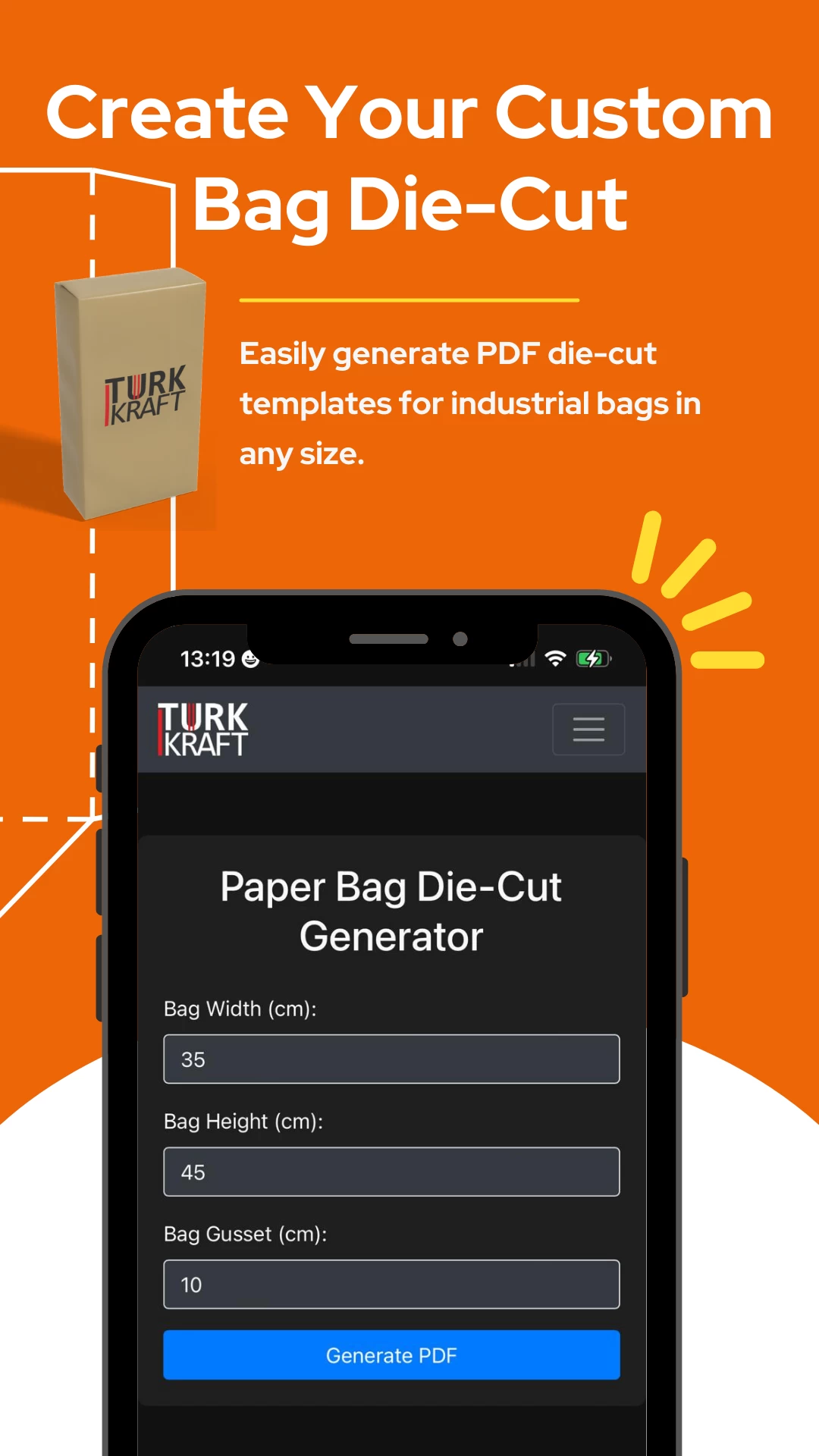
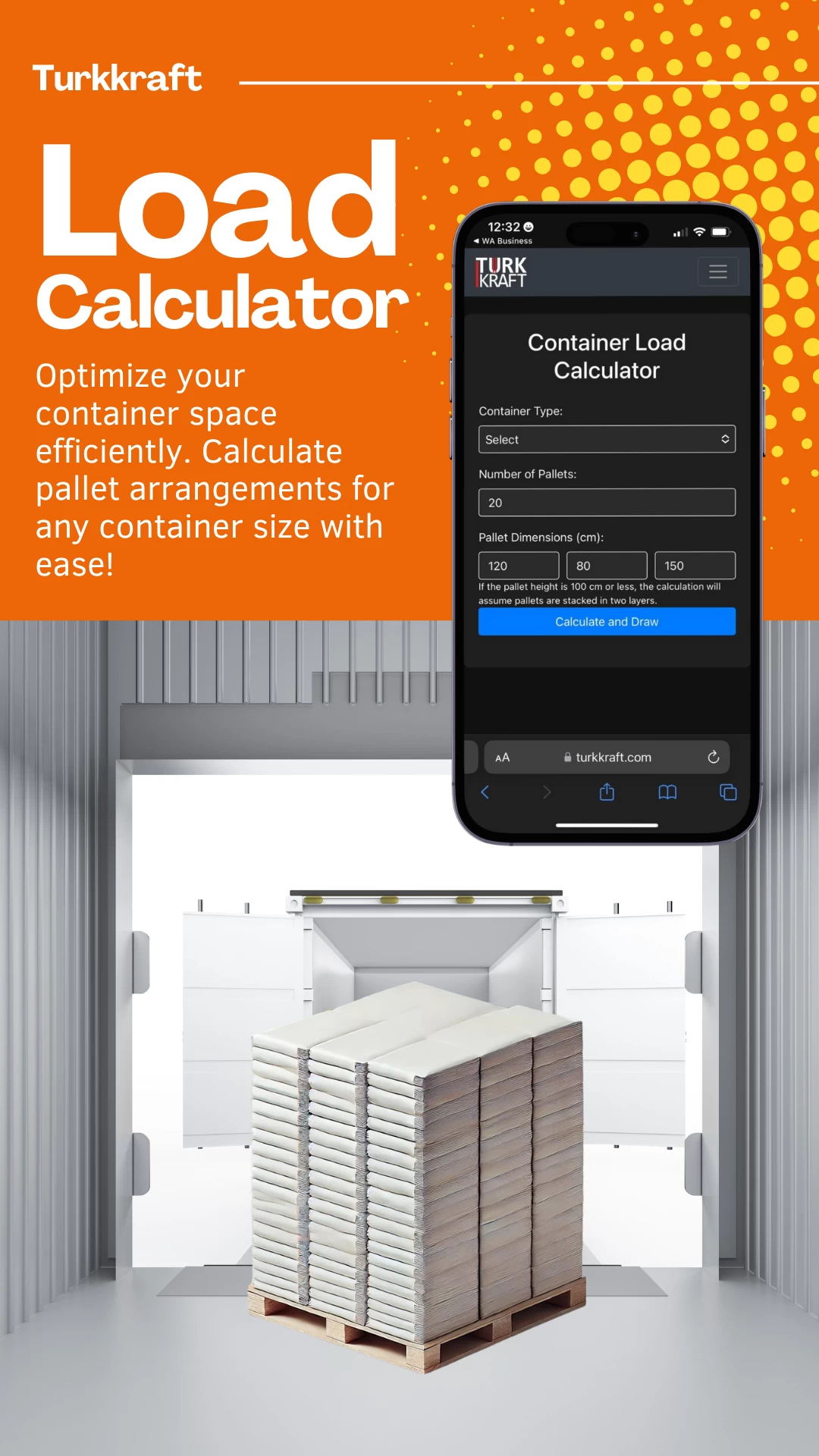


Türkkraft® is a producer of multi-wall industrial paper and PP sacks. It operates with intercontinental production.
